

What is Molé? A Guide to the Different Types of Molé [with Ingredients]

KEY TAKEAWAYS
- Molé is a family of sauces from Mexico that are thickened and flavored with chilies.
- There are thousands of variations of mole that vary per household, along with regional specialties.
- The molé capital of Mexico is Oaxaca with its 7 molés: mole negro, coloradito, amarillo, rojo, verde, chichilo, and manchamantel.
If you love Mexican food, it’s inevitable that you will eventually want to know “What is Molé Sauce?” This family of sauces is the heart and soul of Mexican cuisine.
There are literally thousands of versions of mole that can vary greatly from one household to another. On top of this, each region has its own specialties based on the area and its local ingredients.
This guide will help navigate your way through the historic and delicious world of the different types of mole in Mexico.
Getting to know these delicious sauces will not only advance your culinary acumen but also give you the boost you need to prepare one of these sauces yourself or plan a trip south of the border to taste them from the source.

What is Molé?
The simple answer: Mole is a pureed sauce made of a base of chili peppers.
The complex answer is that it is a whole family of sauces that range greatly in color and flavor ranging from chocolatey dark brown to bright green with herbaceous notes.
The one big commonality in moles is the use of chilies which can be a combination of dried or fresh depending on the type of mole.
Ultimately, mole is an entire world of sauces from all over Mexico that are thickened and flavored with chilies.
MOLE HISTORY
Where does Mole come from?
Two regions of Mexico lay claim to being the birthplace of Mole. On one side you have Puebla with its mole poblano which is the national dish of Mexico.
On the other side, you have Oaxaca which is the mole capital of Mexico with its famous seven moles.
Even though both have a solid story as mole’s origins, the first rudimentary versions were a simple chili puree made by the indigenous Nahuatl people called “mōlli”.
The word mole came from the Nahuatl word “mōlli”. Mole in Spanish means “sauce” and is pronounced as Moe-lay.
It wasn’t until the Spanish showed up with ingredients from the new world that the more modern version of mole came to life.
There are origin stories that go back to the middle east and others that was a happy accident that happened during the preparation of a banquet.

MOLE DISHES
What is Molé Sauce Used for?
As there are many different types of mole, there is also a huge diversity of ways in which it is utilized within the regional cuisines of Mexico.
You will find a single variety of moles being utilized in tamales, empanadas, enchiladas, and served over roasted chicken or turkey.
Other types will have fewer applications and are often relegated to traditional Mexican dishes used for holidays and celebrations.
WHAT IS MOLE
What Does Molé Sauce taste like?
This is the beauty of mole. The complex nature of these sauces means that they pack a punch of flavor. Each type of mole has its own nuance but some stand out from the crowd with sweet, smokey, and deeply spiced flavors.
Other different types of mole are bright and fresh and are perfect for cutting through the rich masa dough used in making tortillas and tamales.
To get to know each type of mole flavor profile, you will just have to dig in and read below about the individual mole varieties and then ultimately try them yourself.

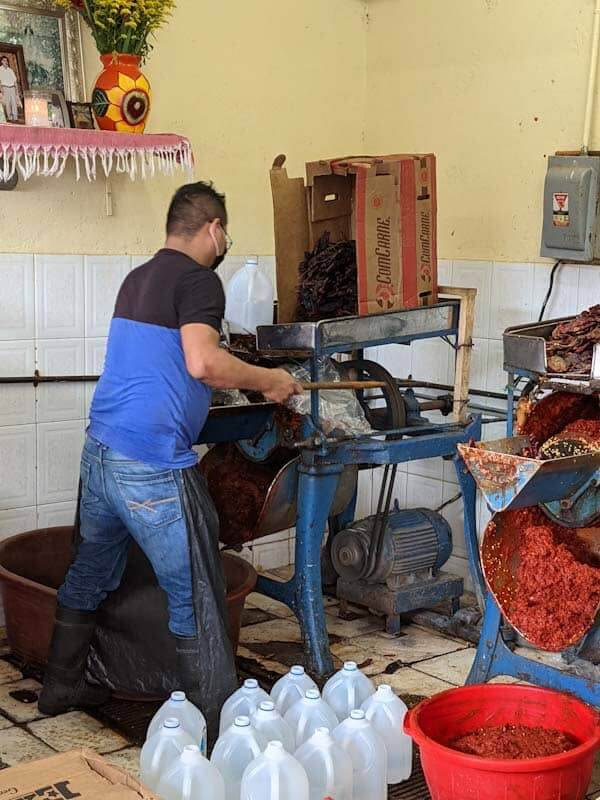
MOLE INGREDIENTS
What is in Mole?
As you could imagine, the ingredients for mole will be different for each type, but there are some commonalities.
Making mole is all about a careful balancing act of the ingredients that harmoniously blend together to make something delicious.
This is a difficult feat as there can be as many as 30 ingredients in a mole. Some types of mole balance a combination of sweet and savory ingredients like chocolate, dried chilies with their raisiny qualities, spices, dried fruits, and roasted nuts and seeds.
Other moles in Mexico find a balance between hot, sour, and sweet with an array of fresh ingredients like Serrano chilies, cilantro, epazote, onions, and tomatillos.
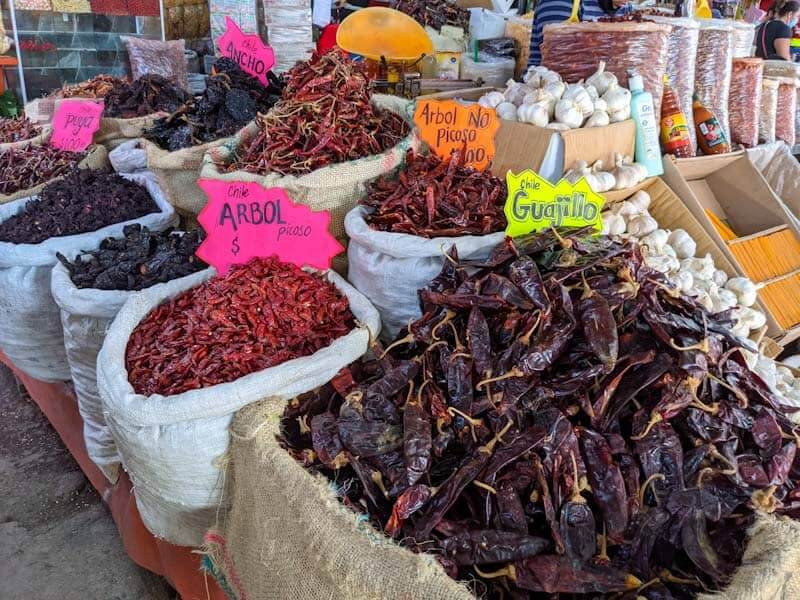
How to Make Mole
The technique for making mole from scratch varies by type but they all are simmered, pureed, and thickened.
Traditional tools like a molcajete which is similar to a mortar and pestle were used to puree the ingredients into a paste before it was simmered for several hours to incorporate the flavors.
Flash forward to today and they are mostly using blenders to achieve what used to take many hours There are still holdouts that still do things the traditional way and you can taste the difference.
Moles of all varieties are fairly viscous from the various thickeners used in their preparation.
Some use masa dough for making tortillas as a thickener, while others use combinations of bread, burnt tortillas, nuts, and dried fruits to give the sauce body.
One key feature of a mole sauce is its silky texture that coats your mouth with flavor.
Different Types of Molé

7 Moles de Oaxaca
Mole Negro
Chiles Used: Chilhuacle, guajillo, pasilla, ancho negro, chipotle meco peppers
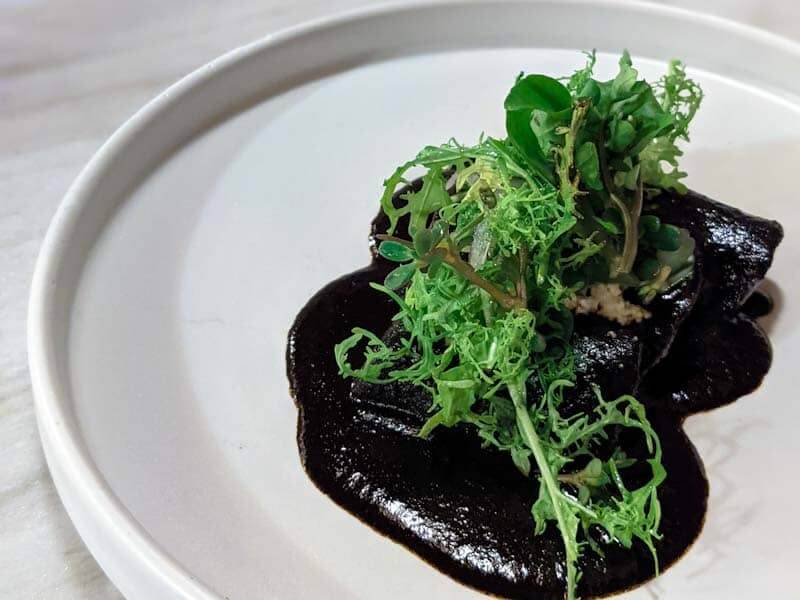
Mole Negro (black mole) is the king of all moles. The ingredients for mole negro can be upwards of 30 ingredients and take many hours to prepare.
The first piece of this complex balancing act starts with bitter flavors from chocolate, and roasted dried peppers and seeds from chilhuacle, guajillo, pasilla, ancho negro, and chipotle meco peppers.
Then comes the sweet from plantains, raisins, and sugar that is ground into the chocolate. This is supported by an ensemble of spices and aromatics that round out this symphony of flavor.
Mole negro is traditionally served on enmoladas, enchiladas, roasted turkey, roasted chicken, and stuffed inside of the famous banana leaf-wrapped tamales.
This version of mole calls the central valley of Oaxaca home and is commonly served for celebrations like Dia de Muertos.
Mole Coloradito
Chiles Used: Chilhuacle and ancho chilies

This mole from Oaxaca balances sweet and spicy instead of the bitter flavors of other moles.
This kind of mole is by far the thickest of the moles as it is given body with the addition of pan de yema which is a traditional egg yolk bread.
The main type of chili used is called a chilhuacle which is expensive and hard to find outside of Oaxaca. This chili is the reason mole Coloradito has its signature brick red color and a spicy edge.
In the Sierra Madre mountains, they serve this mole with braised beef but in the other parts of Oaxaca, it is typically draped over chicken or pork.
Although this might not be the most famous of the Oaxacan moles, it might be the most beloved in the region.
Mole Amarillo
Chiles Used: Chilhuacle chilies
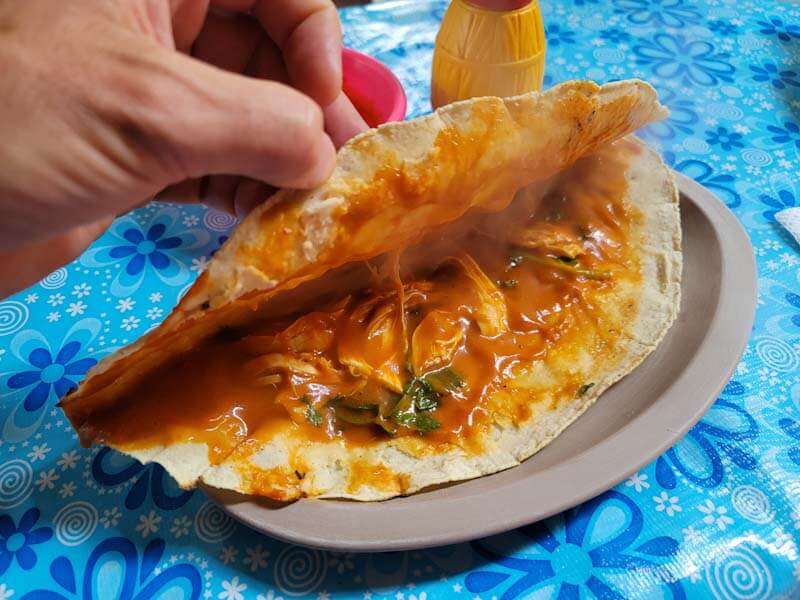
Although it’s called mole amarillo (yellow mole) it is actually more of an orange color from the chilhuacle chilies. This is anything but a sweet and chocolatey mole.
This Oaxacan mole is all about the savory side of the spectrum. It is elevated with the use of hoja santa (holy leaf) that lends anise and slight menthol flavors and aromas.
This sauce’s smooth texture comes from the fact that it is thickened with masa giving it body while smoothing out the punch from the chilies.
This type of mole is most commonly used in the making of Oaxacan empanadas where it is stuffed into a large corn tortilla and cooked on a clay comal with cilantro and chicken.
Mole Rojo
Chilies Used: Ancho chili
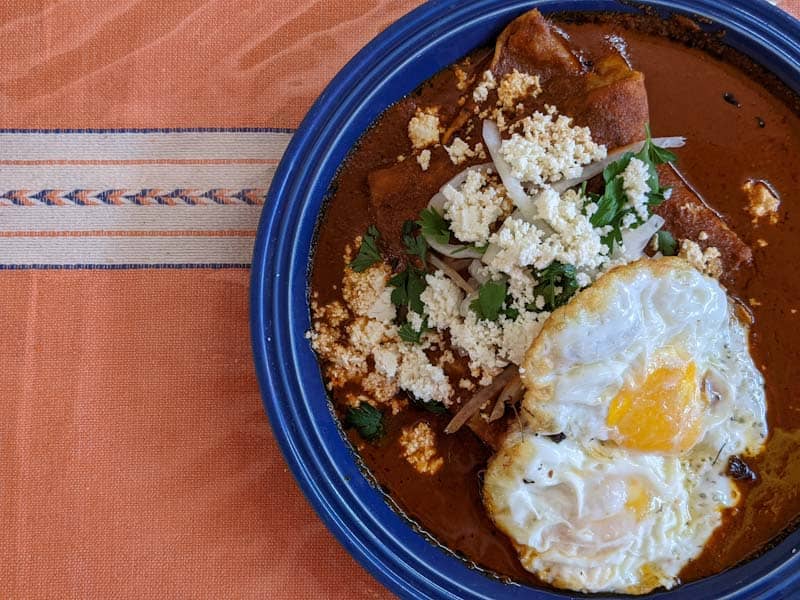
This mole is all about the chilies and is the spiciest of all the seven. Ancho chilies are rehydrated and ground instead of being roasted first.
This gives the mole sauce a bright red color and leaves a spicy and assertive chili flavor. This is just as complex of a sauce as any of the big 7 moles de Oaxaca but doesn’t carry the same favor as some of the others.
In fact, many of the same ingredients including chocolate are used in most recipes.
Mole rojo (red mole) is most commonly found in the coastal regions of Oaxaca in and around the Ixtepec region. This type of mole in Mexico is similar to mole poblano from Puebla.
Mole Verde
Chiles Used: Serrano chili
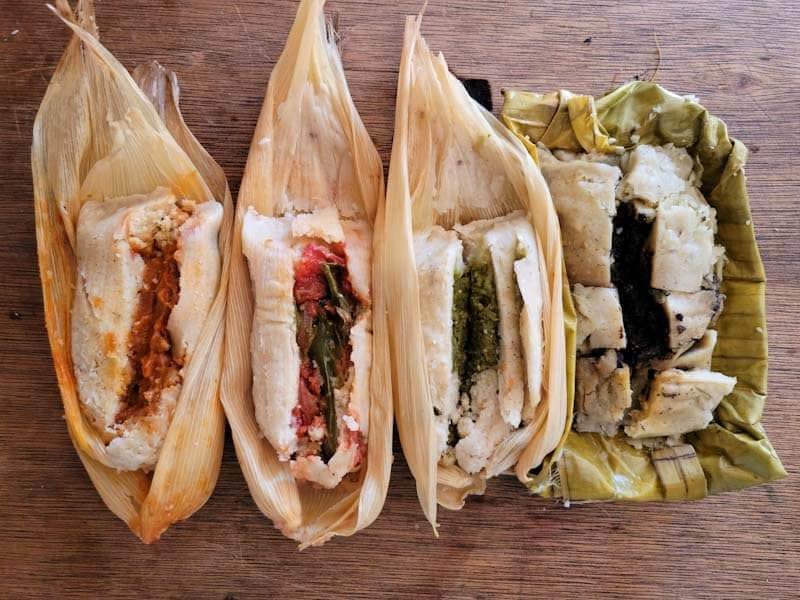
In contrast to mole negro, mole verde is by far the simplest of the seven moles. Its signature color comes from the sheer volume of herbs used in making it including hoja santa, epazote, cilantro, and perejil (parsley).
It then gets its supporting cast of spice from serrano chilies, acid from tomatillos, and aromatics from garlic and onions.
The sauce then is thickened with masa giving it a body and a palette coating effect. This is by far the freshest tasting of the seven moles of Oaxaca and is a lighter version compared to some of the heavier variations.
Mole Chichilo
Chiles Used: Black chilhuacle, pasilla, and mulato chilies

The rarest of the seven moles hails from the Mixtec Alta region and is very difficult to find in restaurants.
This thinly textured mole is very dark in color which comes from a combination of charred tortillas and roasted black chilhuacle, pasilla, and mulato chilies.
Although mole chichilo is not as rich as many of the others, it definitely delivers in the flavor department. Tomatillo brings the tartness, avocado leaves deliver the herbaceous aromas, and slow-cooked beef handles the savory part.
The last piece of the puzzle is a combination of fresh vegetables that are added including chayote, potatoes, and green beans. You might have to look hard for mole chichilo but the flavor is worth the hunt.
Mole Manchamantel
Chilies Used: Chilhuacle, ancho, and sometime guajillo

This celebratory mole which name translates to “table cloth stainer” is all about braised pork and sweet fruits.
Although there are different mole recipes for this type as it is made in several regions, the version made in Oaxaca is unique. All the mole variations use different fruits for sweetness but in Oaxaca they focus on pineapple and plantains.
It is often argued that manchamantel is not a mole but a stew, but this technicality seems a bit over the line considering the liberties taken when making all of the moles.
When it comes to the pork, different cuts are used by different chefs, but the best versions use pork shoulder that is slow-cooked till tender.
The backbone of this mole comes from several spices including cinnamon along with sweet and savory ingredients like peanuts and raisins.
This is one of the types of mole you want to try to taste the fruity and sweet side of the mole world.
WHAT IS MOLÉ
Other Mexican Moles


Mole Poblano
Chiles Used: Black mulato, ancho, pasilla, chipotle meco peppers

Although the true origin of this mole is a mystery, it is widely considered to be the first of the modern moles.
Mole Poblano comes from the gastronomic hub of central Mexico in the city of Puebla. To celebrate the history of this mole along with its importance to the identity of Mexican cuisine, it was named the national dish of Mexico.
This mole is as complex and nuanced as any other moles in Mexico with a combination of four chilies and a backbone of rich chocolate.
Mole Poblano’s recipe can have up to 25 ingredients with each part playing a significant role in either balancing the flavor or adding to the silky texture.
This mole from Mexico is most commonly served draped over roasted chicken and turkey, but it also shows up on enchiladas and stuffed inside of tamales.
One of the famous types of “chocolate mole”, Mole Poblano was named the national dish of Mexico.
Mole Pipian
Chiles Used: Different varieties ranging from fresh poblanos to dried guajillos depending on the type, color, and region

Mole Pipian has different recipes and various colors depending on which region of Mexico it is served.
The original mole pipian dates back to pre-hispanic times and was said to be a favorite of Moctezuma II who was the emperor of the Aztec empire.
Although there are four colors of this mole, they all have one thing in common. They all use roasted pumpkin seeds or almonds as a thickener and for added texture.
This is one of many parts that makes mole pipian unique as it has a courser texture than other moles.
The oldest known versions of this type of mole including those found in Central Mexico and Chihuahua are made using dried chilies which give it its deep signature color.
You can even find an orange-colored variation in the Yucatan that uses achiote along with the dried chilies that is commonly served over wild deer.
Green versions of mole pipian are all about fresh herbs which can contain epazote, hoja santa, cilantro, parsley, and lettuces.
Lastly, you can find a white variation of this sauce in Mexico City that uses blanched peeled almonds as the thickener.
Mole Ranchero
Chiles Used: guajillo, ancho, arbol, pasilla
Mole Ranchero is popular in Jalisco, Mexico where it is a more savory variation that contrasts the sweeter versions found in the state.
This is one of the easiest moles to prepare of the many types of mole because of its short list of ingredients.
The preparation of this kind of mole is focused on the bitter, and smokey chiles along with aromatics like onion and garlic to deliver a punch of flavor instead of utilizing sweet ingredients like dried fruits and chocolate found in other Mexican moles.
The most popular versions are slowly simmered with either pork shoulder or ribs.
Mole Almendrado
Chiles Used: Ancho, guajillo, mulato

If you want to try this style of mole you will need to head to the states of Oaxaca, Puebla, and Coahuila as it is hard to find outside of these areas of Mexico.
Although Mole Almendrado is similar to the chocolate and dried chile-laden mole negro and mole poblano, it is separated by the addition of ground almonds.
This gives the sauce an obvious nutty and fatty texture that adds to the luxurious texture.
Mole Almendrado is popularly served at special occasions where this sauce is held with the esteem of being a fancier alternative to other mole varieties.
Mole Recipes
What is Molé | Final Thoughts
The world of moles is as complex as they are delicious! From mole negro with its list of 25 plus ingredients to the piquant mole Amarillo with its stark orange color, you are certain to find a mole that will ignite your taste buds.
At this point, you will have a pretty good understanding of what mole is. Now that you are armed with a list of the most popular types of mole along with which ones played an important role in shaping the culinary landscape of Mexico.
If you are still wondering “what is molé?”, it might be time that you start to plan that trip to one of the culinary centers of Mexico like Oaxaca where you can take a cooking class with local chefs or take a culinary tour of the city.


