
Northern Thai Food Ingredients

Northern Thai Food Ingredients
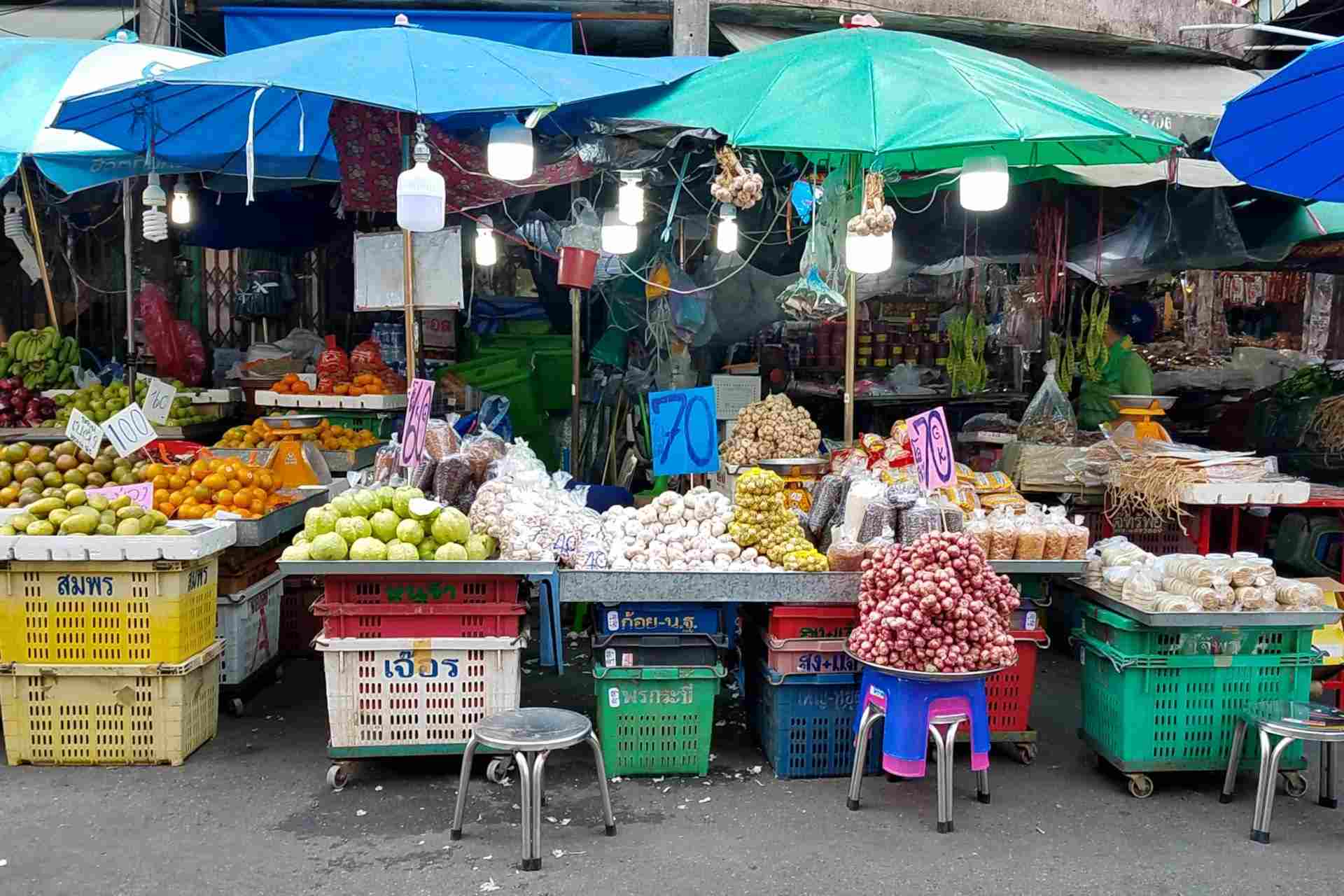
To truly understand what makes Northern Thai cuisine so special, you will need to get to know the ingredients. We highly recommend that you visit as many food markets as possible where you will get to see and buy the endless amounts of fresh fish, Thai spices, vegetables, Thai herbs, and fruits that make up the delicious cuisine of Chiang Mai. You can also take cooking classes that will not only show you Northern Thai food ingredients but how they are processed and prepared to make their dishes so special. Now it is time for you to get out and connect to this beautiful culture through their food and the ingredients that make Chiang Mai one of the best food cities in the world.
Wild Betel Leaves a.k.a. Piper Sarmentosum (Chaphlu)
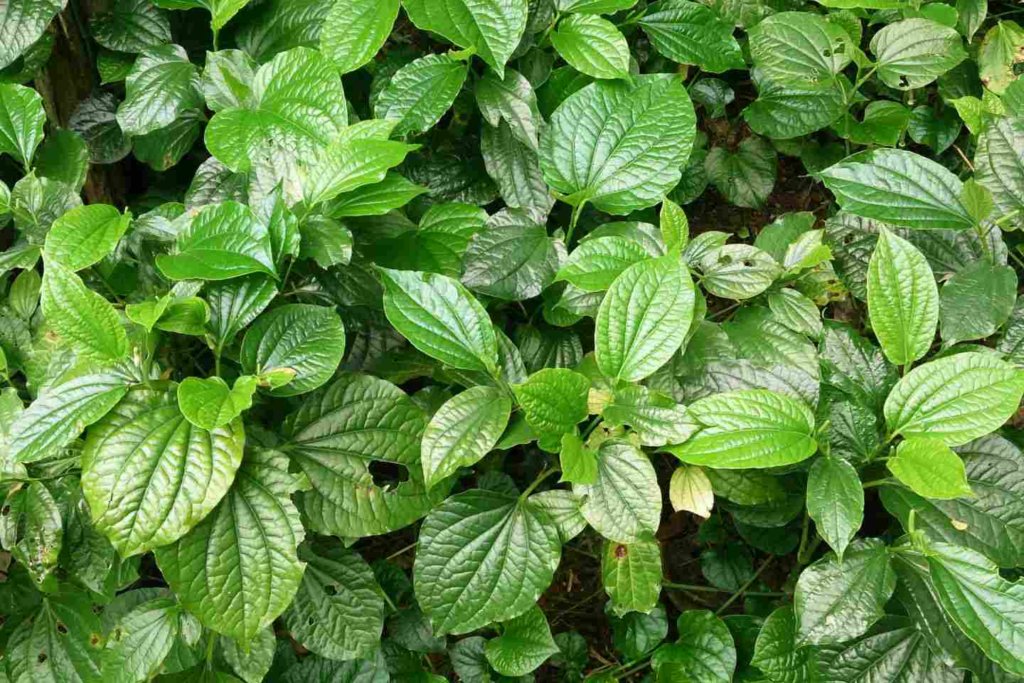
This leaf is often mistaken to be it’s very bitter relative, the betel plant. The leaves are used in several dishes including Miang Kham where they are used as lettuce like wraps. It is also a key component in Kaeng Khae Kai which is a vegetable-driven curry with chicken.
Cilantro Root
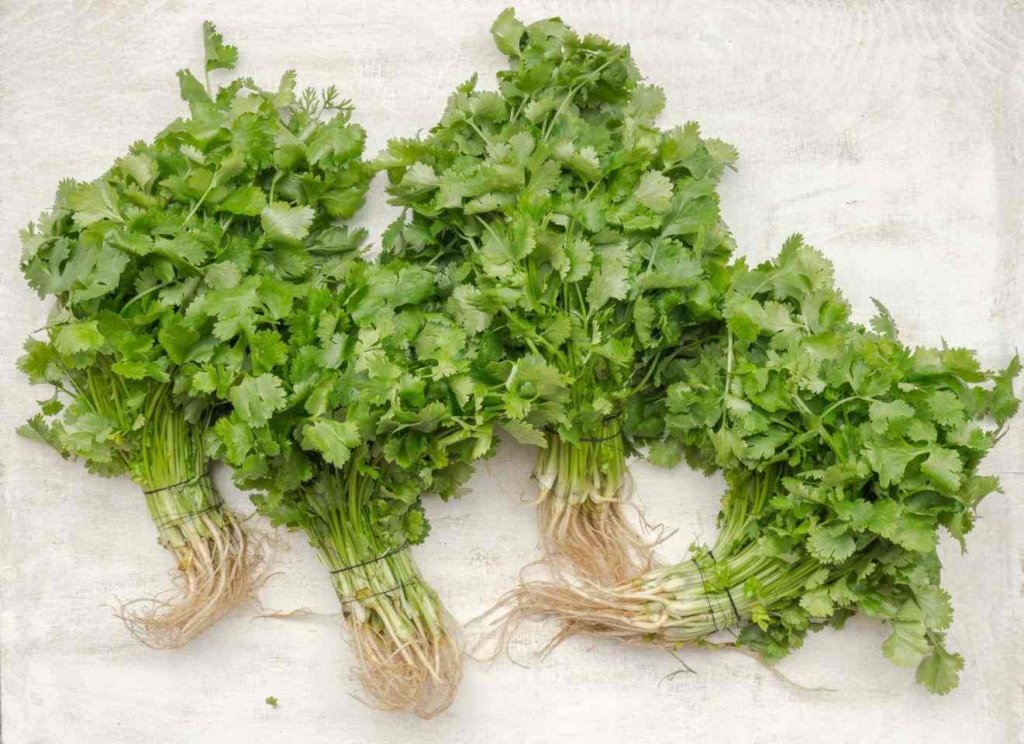
If you are a western home cook or even a chef, you probably have never seen this ingredient. Unfortunately, farmers cut the stems above the soil leaving the roots behind. This portion of the plant produces a milder profile with less of a soapy flavor. It is most commonly used to flavor soups and pounded into curry pastes. If you want to try this before you visit Thailand, you will most likely have to make a special request in advance at your local farmer’s market.
Pandan Leaf
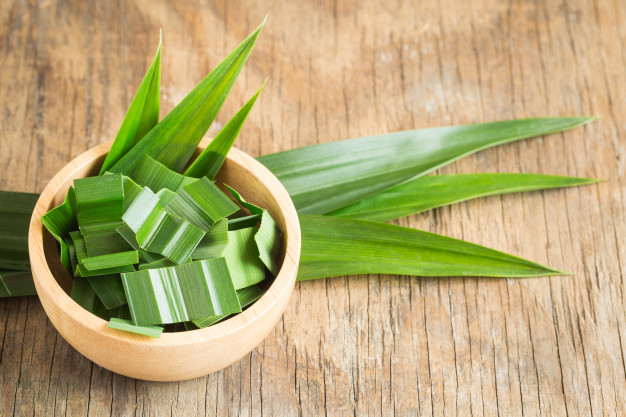
Often referred to as the vanilla of Southeast Asia as it is very commonly used in many different dessert applications. This tropical plant’s origin is unknown but they know that it made its way to Thailand via Indonesia. It has had a large impact on Northern Thai cuisine since its arrival with applications in savory dishes, flavored water, along with being steeped in coconut to flavor everybody’s favorite, sticky rice with mango. Pandan’s flavor profile haunts me and leaves me craving it every time I leave the region.
Glutinous Rice
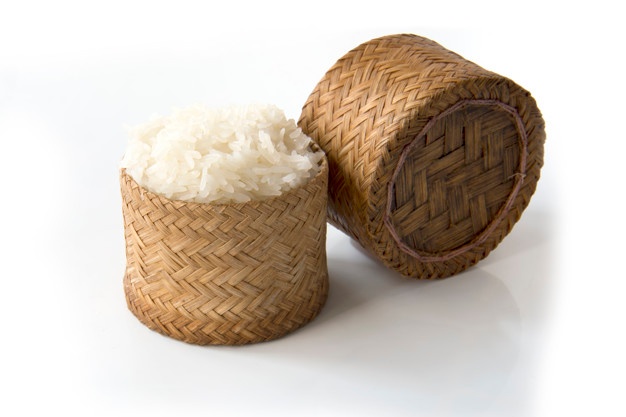
I will dare to say that this is the single most important Northern Thai cuisine ingredient in this region. Sticky rice is a way of life as much as it is a part of almost every meal. Glutinous rice isn’t only for sticky rice but also plays an important role in many parts of the cuisine. It’s used in fermenting sour meats, making desserts, roasted and powdered for garnish, as well as to make rice wine. In a home setting, it is commonly placed in a large bowl in the center of the table for everyone to scoop from. Each person would then flatten a large gumball sized piece to be used to scoop up their food and soak up the juices. Mastering this takes a little practice, but it’s a delicious path to learning how to eat like a local.
Tamarind

With limes thriving mostly in the south of Thailand, the cooks of Northern Thailand turned to locally grown Northern Thai food ingredients. Tamarind easily filled the void bringing balance and a much-needed acid to many dishes including Gaeng Hang Laeh Moo. Tamarind is a brown seed pod that is made up of seeds that are surrounded by a firm fruit-like paste. The origins of this pod-bearing trees are from Africa but have ended up in most tropical locations around the world. There are two distinct types that can be found in Thailand. One is sour and the other is much sweeter and suitable for eating dried or right from the pod.
Coconut Palm Sugar
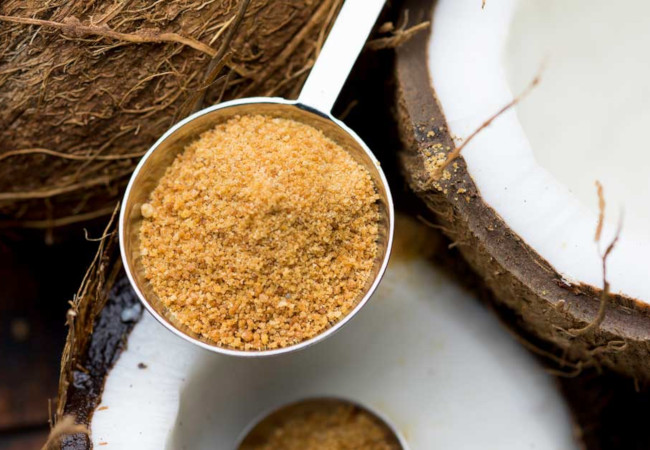
There are several types of palm sugars from different types of palms. The one most commonly used in Thailand is coconut palm sugar. The production starts by cutting the stem of the coconut blossom and then capturing the sap. It is then boiled down to remove the extra moisture until it is thick and can be formed into half dome-shaped pieces. This cooking process caramelizes the sugars giving it a nutty flavor that brings so much more to the party than plain cane sugar.
Thai Shallots
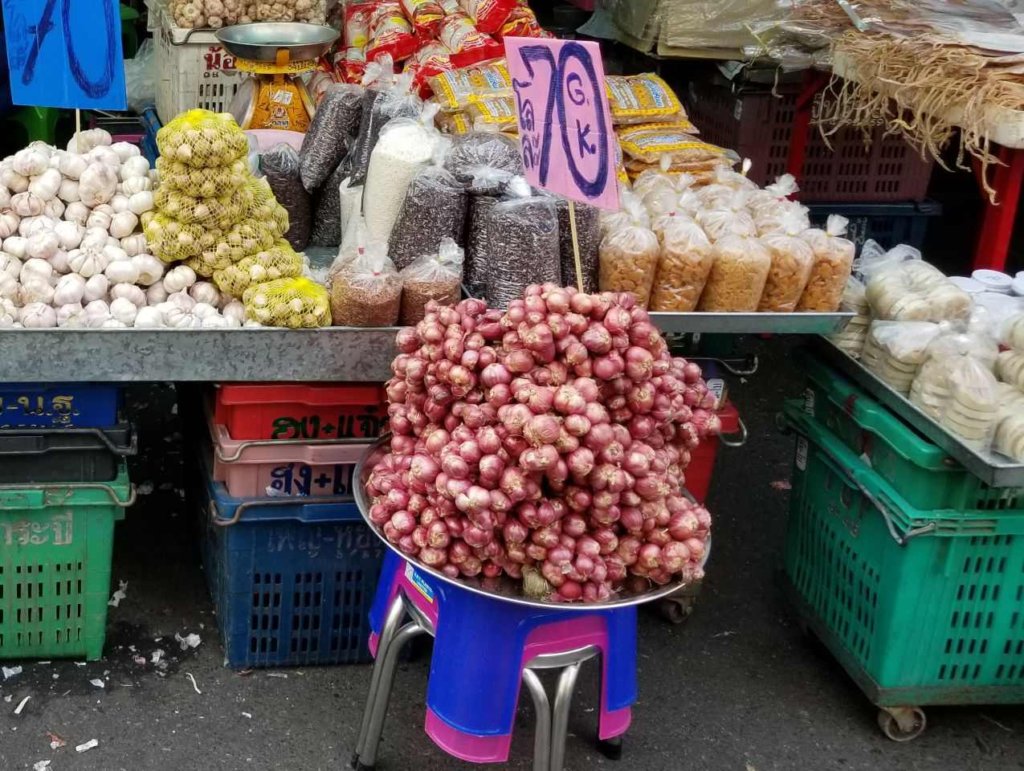
Don’t confuse the Thai shallot with the french shallot that you can get at your local western grocery store. This small red shallot is the allium of choice for almost all purposes over regular onions in Thailand because of the shallot’s milder profile. It is super versatile and can be pounded into curry pastes and be sliced raw to give an aromatic bite to a dish. Look for Thai shallots sliced raw on Khao Soi and the fried crispy version on Khanom Mo Kaeng.
Shrimp Paste (Kapi)
This essential Northern Thai food ingredient has a shorter history in this landlocked region than it’s fermented soybean relatives. Although it’s not originally from this region, it has been deeply integrated into Northern Thai cuisine. Dishes like Khao Soi and Naam Phrik Ong rely on it for a backbone of umami and depth. There are several variations and levels of quality of shrimp paste that each has its own application. The one that is most loved by northern Thais is called Kapi Kung. This version is a combination of the krill based paste pounded with salted baby shrimp. Don’t be deterred by its smell as it is a huge reason why the food in Thailand is so good.
Khanom Jiin Noodles

These thin rice noodles are made two different ways with one version being fresh while the other one has the dough fermented for three days. To try either version you will have to fly to Thailand as they are not found in markets in the western world. This noodle used to be hand-made in a very laborious process that was only done for ceremonial purposes. These noodles are much beloved in Northern Thailand and show up as the star of several dishes including Khanom Jiin Naam Ngiew and Khanom Jiin Naam Ya.
Beef Bile
Yes, you read that correctly! We are talking about digestive fluids produced by the liver. I know this is probably outside the comfort zone for most, but if it was served to you without knowing, you would probably like it. It is used in several different applications with the purpose of bringing a bitter flavor to the dish. It is used in soups but has become infamous for its use in the chopped raw water buffalo dish called laap dip. It is mixed with herbs, raw pig’s blood, and mouth-numbing spices before being served to mostly men who are definitely taking a calculated risk every time they eat it.
Prickly Ash Seed (Makhwaen)
This Northern Thai food ingredient is relative to the Sichuan pepper and has a similar but less intense mouth-numbing effect. It also brings a slightly citrusy and fruity note that also differentiates it from its Chinese relative. These seeds are commonly combined with long peppers to bring the heat in dishes like Laap Meuang. It is toasted and pounded with other ingredients to make Naam Phrik Laap (northern Thai Laap seasoning paste).

![11 Best Chiang Mai Markets You Shouldn’t Miss [2023]](https://cheftravelguide.com/wp-content/uploads/2020/07/chiang-mai-street-food-market_-768x512.jpg)
